Losing weight isn’t just about willpower—it starts with your grocery cart. What you bring home shapes what you eat, and what you eat shapes how you feel, look, and move. If you’re aiming for real results, the key is knowing exactly what to buy and what to do with it once you’re home. That’s what this post is all about: practical food shopping lists and preparation strategies for people who want to eat healthy and lose weight—without overcomplicating it.
This post offers a straight-to-the-point guide based on evidence-backed recommendations for weight loss-friendly foods and smart prep methods. From stocking your pantry with purpose to batch-cooking your way to stress-free meals, you’ll walk away knowing how to plan, shop, and prep like someone who’s ready to hit their goals.
Why the Grocery Store is Step One in Weight Loss
Research continues to show that what you eat matters more than how much. While creating a calorie deficit is necessary for weight loss, the quality of your food is what keeps you satisfied—and coming back for more of the good stuff instead of falling into old habits. The trick is to build your meals around high-fiber, high-protein, and low-calorie foods that help you stay full and energized.
And that starts with your shopping list.
The Smart Weight Loss Shopping List
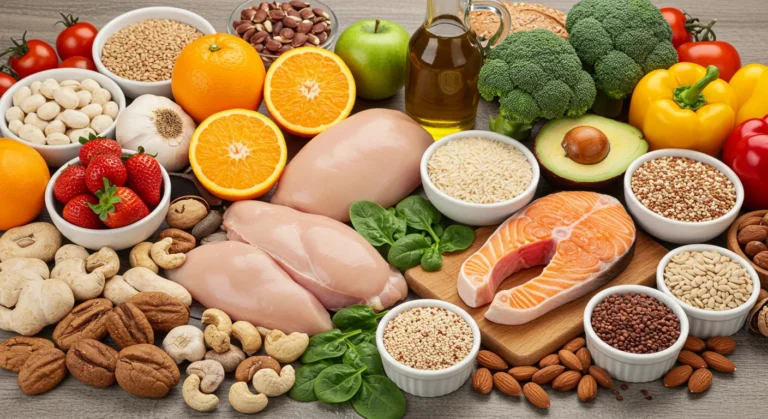
Let’s break it down. These are the food categories that consistently show up in successful weight loss diets, according to clinical studies:
🥩 Lean Proteins
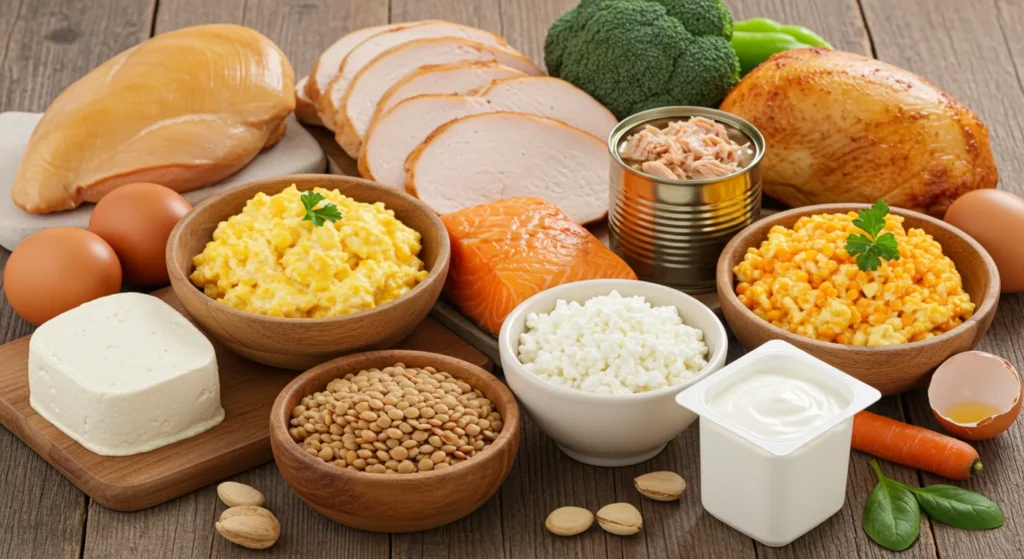
Protein keeps you full, helps preserve muscle while losing weight, and curbs cravings. Here’s what to throw in your cart:
- Chicken breast (skinless)
- Turkey breast
- Canned tuna (in water)
- Salmon or cod
- Eggs or egg whites
- Tofu and tempeh
- Lentils, chickpeas, black beans
- Low-fat Greek yogurt
- Cottage cheese
💡 Pro tip: Aim for 30–35g of protein at breakfast to avoid mid-morning snack attacks. A veggie scramble with eggs and tofu plus a scoop of Greek yogurt hits the mark.
🥦 Fresh Produce
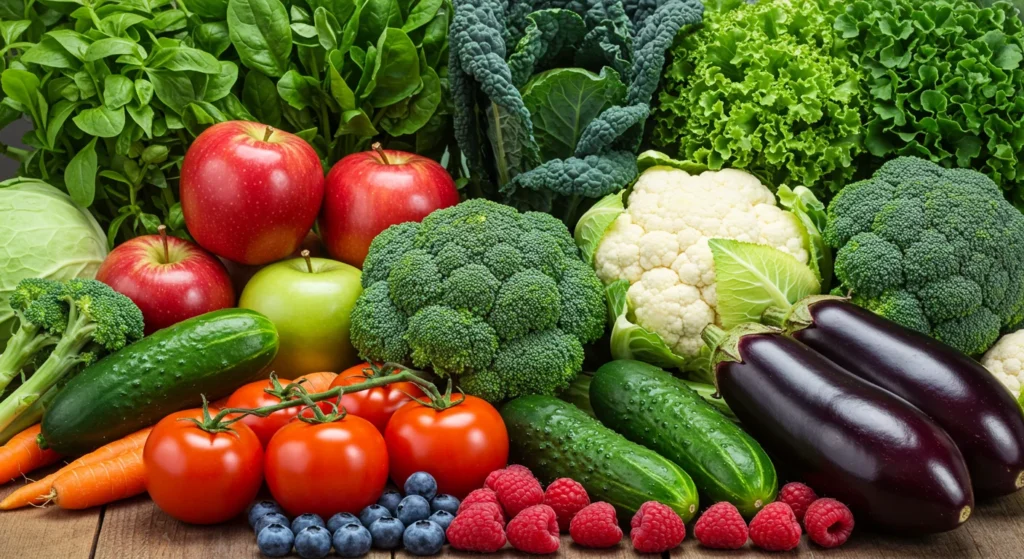
Fruits and veggies are your best friend here. Low in calories, high in fiber, and packed with nutrients—they let you eat more while eating fewer calories.
Go for:
- Apples (keep the skin on)
- Berries (blueberries, strawberries, raspberries)
- Leafy greens (spinach, kale, arugula)
- Cruciferous veggies (broccoli, cauliflower, Brussels sprouts)
- Zucchini, carrots, bell peppers
- Tomatoes, cucumbers, eggplant
🛒 Keep frozen veggie mixes and berries in the freezer. They’re just as nutritious and won’t go bad.
🌾 Whole Grains
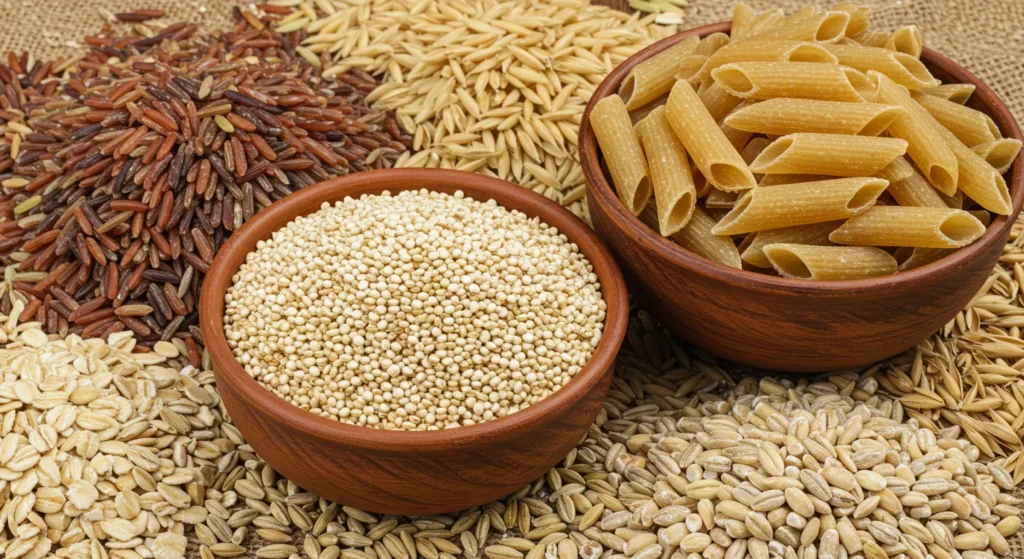
Swap out white bread and rice for options that keep your blood sugar steady and hunger at bay.
- Brown rice
- Quinoa
- Whole wheat pasta
- Oatmeal
- Barley
- Whole grain bread and cereals
📊 Quick Comparison Table: Whole Grains vs Refined Grains
| Grain Type | Fiber (per 100g) | Glycemic Index | Satiety Score |
|---|---|---|---|
| Brown Rice | 1.8g | 50 | High |
| White Rice | 0.4g | 73 | Low |
| Quinoa | 2.8g | 53 | High |
| White Bread | 0.6g | 75 | Low |
🥜 Healthy Fats
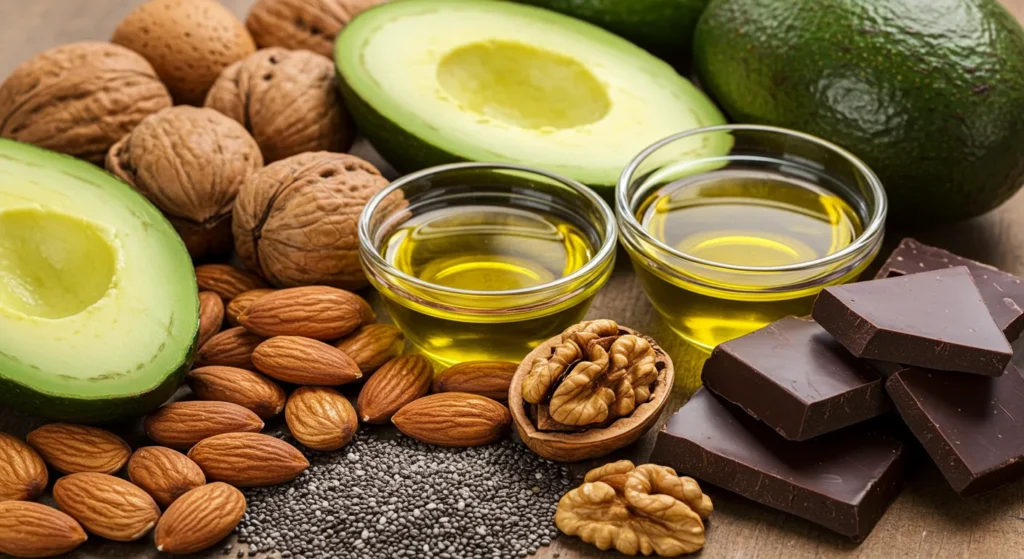
Fat isn’t the enemy—it helps you feel full and absorb nutrients. Just stick to small portions and high-quality sources.
- Raw almonds, walnuts, chia seeds
- Extra virgin olive oil
- Avocados
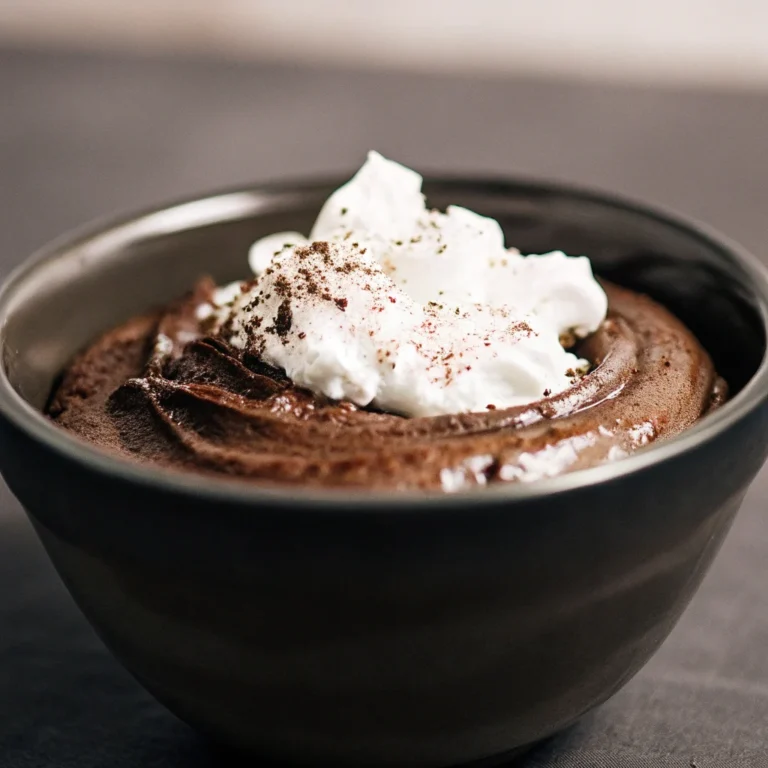
- Dark chocolate (70%+ cacao)
🔑 Dark chocolate tip: Studies show that people who ate dark chocolate ate 15% less pizza later than those who had milk chocolate.
What to Do After the Grocery Run
You’ve got the groceries—now what? This is where most people either succeed or fall back into takeout traps.
🧊 Meal Prep Makes or Breaks Success
Meal prepping isn’t fancy. It just means getting your meals ready ahead of time so you can grab something healthy when you’re tired, hungry, or rushed. According to The Prep Kitchen, prepping meals in batches reduces impulsive eating and keeps your portions under control.
Start With:
- Batch-cooked proteins: grilled chicken, baked fish, cooked lentils
- Roasted veggies: carrots, zucchini, bell peppers
- Whole grains: brown rice, quinoa
- Washed greens and chopped salad ingredients
Use glass containers so you can see what you’ve got and portion everything easily. Don’t forget to label the containers with the date!
🥕 Add Veggies to Everything
One of the simplest ways to cut calories without feeling deprived? Add vegetables into your usual meals. Penn State research found that when people ate mac and cheese mixed with pureed cauliflower and zucchini, they didn’t notice—but they ate 200–350 fewer calories.
Easy Ways to Add Veggies:
- Blend cooked cauliflower into mashed potatoes
- Add shredded zucchini to turkey meatballs
- Stir spinach into your scrambled eggs
- Top pasta with a mountain of roasted veggies
🥣 Soup Before Dinner Helps You Eat Less
Having a small cup of broth-based soup before your meal can reduce how much you eat overall. Just keep it between 100–150 calories and skip creamy ingredients. Pureed or chunky, it doesn’t matter—just make it veggie-based.

Timing and Portions: The Other Half of the Equation
It’s not just what you eat—it’s also when and how much.
⏰ Timing Matters
Research shows that eating a high-protein breakfast helps manage appetite throughout the day, especially for people who struggle with cravings later on. One study on women found that 35g of protein in the morning helped control hunger through the evening.
Try this combo:
- 3 eggs
- ½ cup cooked lentils
- Handful of spinach
Or mix tofu scramble with black beans and salsa for a plant-based version.
📦 Keep Portions Realistic
Eyeballing portions rarely works. Use measuring cups or a food scale at first until you learn what a healthy portion actually looks like.
| Food | Standard Portion | Visual Guide |
|---|---|---|
| Chicken breast | 3–4 oz (cooked) | Deck of cards |
| Cooked grains | ½ cup | Small fist |
| Nut butter | 2 tbsp | Ping pong ball |
| Salad dressing | 1 tbsp | Poker chip |
Check out this research-backed overview on standardized portion sizes for more detail.
Make Your Plan Stick: Set Up for Long-Term Success
You don’t have to be perfect. But you do have to be prepared. Consistency is more powerful than motivation.
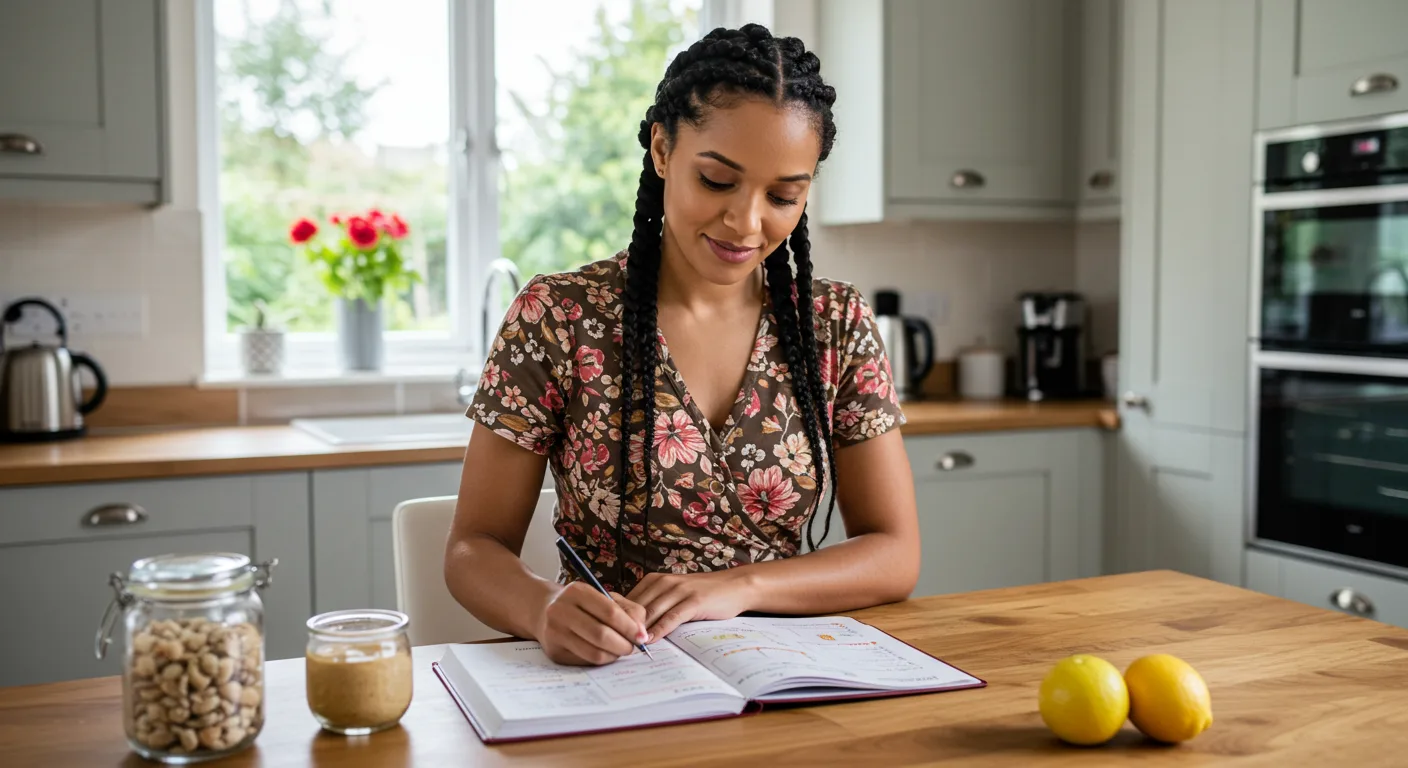
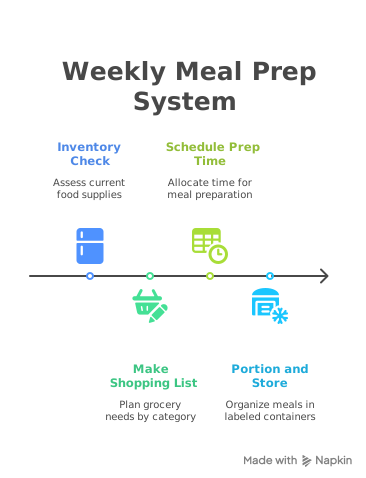
✅ Build a Weekly System:
- Inventory check – What do you already have?
- Make a shopping list – Stick to the core categories
- Schedule your prep time – Treat it like a meeting
- Portion and store – Label and organize your fridge and pantry
🧺 Keep It Simple
- Keep protein-rich snacks like Greek yogurt or boiled eggs on hand.
- Store cut veggies and hummus at eye level in the fridge.
- Avoid stocking highly processed snack foods “just in case.” They rarely help.
As this study emphasizes, sustainable food environments—starting at home—lead to better outcomes.
Wrapping It Up
Weight loss starts with what’s in your cart, and lasts because of what’s in your fridge. When you stock up on protein, produce, whole grains, and healthy fats—and take the time to prep them—you give yourself the best shot at real, lasting change.
Here’s the bottom line:
- Shop smart with a clear list
- Prep in batches to simplify your week
- Control portions and pay attention to when you eat
- Keep your environment supportive